When was the last time you thought about the condition of your home’s wiring? For many Auckland homeowners, electrical systems stay out of sight and out of mind until something goes wrong. But the reality is that old, overloaded, or unsafe wiring is one of the leading causes of house fires and electrical hazards in New Zealand.
Whether you live in a classic villa in Grey Lynn, a post-war bungalow in Mt Roskill, or a newer home in East Auckland, regular electrical inspections are vital. They not only keep your property compliant with local regulations but also safeguard your family from hidden risks.
If you’ve ever asked yourself, “When should I get a house electrical inspection Auckland?”, this guide will help you recognise the signs, understand the process, and make informed decisions about your home’s electrical safety.
Electrical safety is something many homeowners in Auckland overlook until a problem becomes serious. Yet, the wiring behind your walls plays a critical role in protecting your family, your property, and your peace of mind.
Regular house electrical inspections help identify risks before they turn into costly emergencies. With Auckland’s mix of older villas, renovated properties, and new builds, inspections are not just a precaution but a smart investment in safety.
In New Zealand, electrical work must comply with NZ Electrical Safety Regulations and AS/NZS 3000 (the Wiring Rules). These standards are designed to reduce the risk of fire, electrocution, and property damage.
Key points for Auckland homeowners include:
Understanding these rules helps ensure your home is safe and legally compliant.
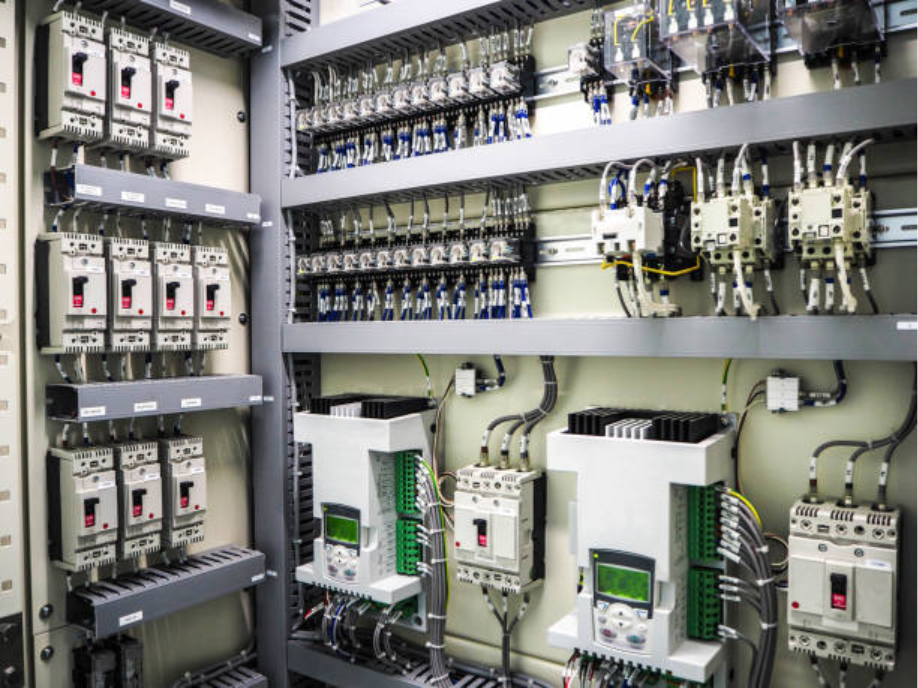
Auckland’s many character homes and bungalows often have wiring that is decades old. Outdated wiring may not cope with today’s demands from appliances, home offices, and HVAC systems.
Hidden risks include:
These issues may not show immediate symptoms but can create dangerous conditions over time.
In urgent situations such as sudden outages, sparks, or burning smells from outlets, contacting a licensed Emergency Electrical Service in Auckland ensures your home and family remain safe.
Some signs should never be ignored:
These issues suggest you’re wiring or switchboard may be under stress.
Homes built before the 1970s may still contain:
These materials degrade over time, leading to short circuits and fire hazards. If your home is older and has not been rewired, an inspection is strongly recommended.
Many homeowners are unsure what to expect from an inspection. Knowing the process helps you feel confident about booking one.
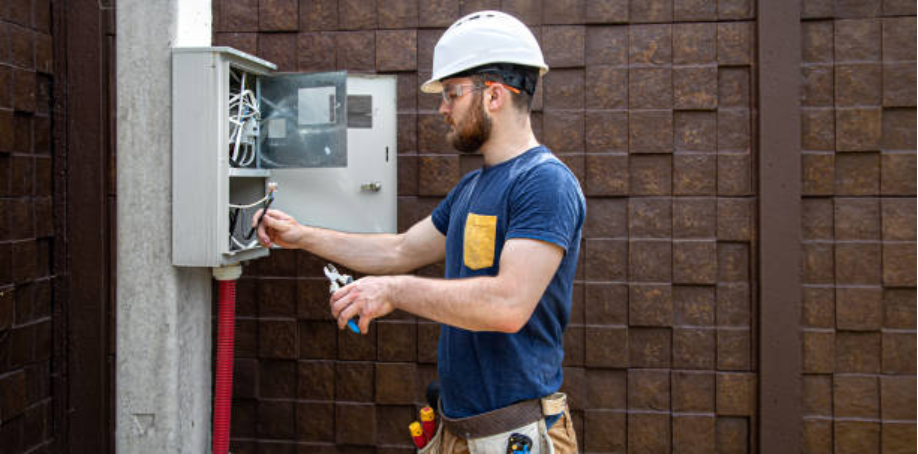
A licensed electrician will typically:
Modern homes require Residual Current Devices (RCDs), also known as safety switches, to cut power in dangerous situations. During the inspection, your electrician will:
This ensures you know exactly where your home stands and what improvements may be necessary.
An inspection isn’t just about meeting legal requirements. It’s about protecting your investment and loved ones.
Identifying electrical problems early prevents costly repairs or fire damage. For example:
Preventive maintenance often costs less than dealing with emergencies.
Electrical fires remain one of the leading causes of house fires. A proactive inspection reassures you that:
For families, that peace of mind is invaluable.
Not all electricians are equal when it comes to safety inspections. If you’re booking a house inspection in Auckland, choosing the right professional is essential to ensure both compliance and long-term safety.
When hiring, check for:
These factors ensure you receive reliable and safe service.
Before booking, ask:
These questions help you gauge professionalism and trustworthiness.
Electrical safety is not something to leave to chance. The signs of faulty wiring may start small a flicker here, a tripped breaker there but they can escalate quickly into serious hazards. By scheduling a house electrical inspection, you’re investing in more than just compliance; you’re protecting your family, preserving your home, and ensuring long-term peace of mind.
If your home is over 20 years old, you’ve noticed electrical warning signs, or you’re planning renovations, now is the right time to act. Don’t wait until it’s too late.
Learn more about NEXGEN Electrical for booking a House Electrical Inspection in Auckland with a licensed, local professional who understands both safety standards and the unique challenges of Auckland homes.
Your home’s wiring is the backbone of your everyday comfort and safety. Give it the attention it deserves and take the first step towards a safer, more reliable home today.
If your home is over 20 years old, you notice warning signs, or you’re buying or renovating a property, it’s time for an inspection.
No. Only licensed electricians in New Zealand are permitted to carry out inspections and issue compliance certificates.
Generally every 10 years, but older homes or heavy appliance use may require more frequent checks.
Minor problems can escalate into major hazards, including fire risks. Early detection prevents costly damage.
Inspections usually focus on wiring, switchboards, and circuits, but your electrician can advise on appliance safety separately.