Intermittent electrical faults are among the most frustrating and confusing issues homeowners face. Flickering lights, sudden power drops, half-dead outlets, or an appliance that keeps shutting off for no obvious reason — these symptoms rarely happen consistently, which makes them difficult to track. Many Auckland homeowners call NXG Electrical after spending days trying to guess what’s wrong.
This guide explains How to diagnose intermittent electrical fault NZ safely and logically in the moments before a professional electrician arrives. While many faults require specialized tools, there are safe diagnostic checks you can do to narrow down the cause. Our approach reflects the same tone and reliability you’ll find throughout NXG Electricals’ service — practical, cautious, and focused on protecting your home and family.
By understanding the early warning signs and knowing How to diagnose intermittent electrical fault NZ responsibly, you can prevent hazards, speed up the repair process, and ensure the problem is addressed before it becomes serious.
An intermittent fault is any electrical issue that occurs randomly instead of being constant. Unlike a complete outage or a clearly broken switch, intermittent faults behave inconsistently. They can disappear for hours, days, or weeks before suddenly returning.
Common symptoms include:
These problems should never be ignored. Even when the symptoms seem small, intermittent faults can indicate overheating, loose wiring, or hidden damage inside walls. Having even a basic understanding of How to diagnose intermittent electrical fault NZ helps you recognize when the issue is escalating.
Before jumping into diagnostics, it helps to understand what commonly causes intermittent issues in New Zealand homes. NXG Electrical technicians frequently attend callouts involving:
1. Loose or damaged wiring
This is one of the most common causes of flickering lights or random outages. Wires can loosen over time due to vibration, wear, or heat cycles.
2. Faulty appliances
A single faulty appliance can intermittently trip a breaker or RCD, making it seem like the house wiring is at fault.
3. Overloaded circuits
Using multiple high-load appliances on a single circuit can cause momentary drops or flickers.
4. Failing RCD or circuit breaker
Safety devices can be worn out, especially in older switchboards.
5. Moisture-related faults
Condensation inside outdoor sockets, damp walls, and bathroom circuits often cause occasional tripping.
6. Aging electrical infrastructure
Old switchboards, deteriorated insulation, and outdated wiring can behave unpredictably.
Understanding these causes helps guide the steps on How to diagnose intermittent electrical fault NZ safely and systematically.
Below is the clear approach NXG Electrical recommends for homeowners. This sequence is designed to help narrow the issue without putting anyone at risk.
Step 1: Observe the Pattern of the Fault
Before touching anything, take note of:
These details help the electrician diagnose the issue faster.
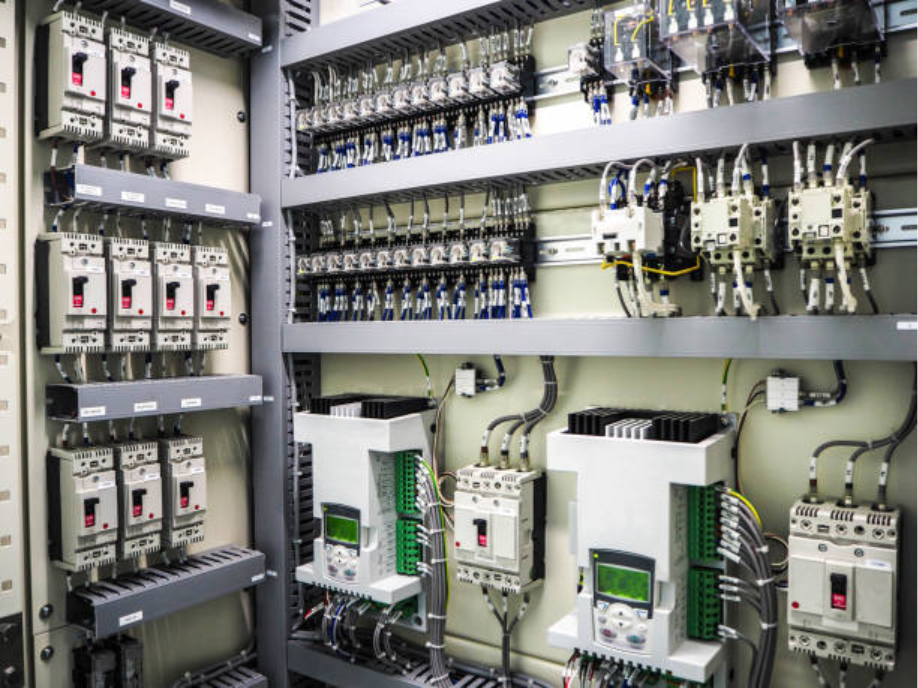
Step 2: Check Your Switchboard
Go to the switchboard and look for:
Reset the breaker or RCD once only. If it trips again immediately, do not force it — this indicates a fault that needs a licensed electrician.
Because this guide focuses on How to diagnose intermittent electrical fault NZ, your goal is observation, not repair.
Step 3: Isolate Appliances One by One
A faulty or leaking appliance is one of the top causes of intermittent problems.
Do this safely:
If a specific appliance triggers the issue, discontinue its use and call an electrician
Step 4: Look for Visible Signs of Electrical Damage
Do a careful visual check around the home for warning signs: Burn marks on power points
If any of these appear, stop troubleshooting immediately.
Step 5: Test RCDs (Residual Current Devices)
RCDs protect against electric shock. New Zealand homes rely heavily on them for safety.
Press the “T” or “TEST” button on the RCD.
A functional RCD will immediately trip.
If the RCD:
…it may be faulty and needs replacement.
This step is essential when learning How to diagnose intermittent electrical fault NZ because RCD faults mimic wiring faults.
Step 6: Check for Circuit Overload
High-load appliances on one circuit cause intermittent drops or dimming.
These include:
If the issue occurs only when several devices run at once, the cause is likely to overload, and a circuit upgrade may be needed.
Step 7: Evaluate Environmental Factors
Moisture is a major cause of intermittent faults.
Check areas such as:
If appliances or outlets are in these areas of trip circuits occasionally, moisture ingress is very likely.
Step 8: Identify Signs of a Serious Hidden Fault
Stop diagnosing immediately and call an electrician if you notice:
These are major safety risks.
Even if you understand How to diagnose intermittent electrical fault NZ, many issues require specialized tools such as insulation testers, thermal imagers, and circuit analyzers.
Call NXG Electrical urgently if:
Intermittent faults often hide deeper hazards, and only a licensed electrician can safely test and repair them.
A few preventative steps can reduce the likelihood of recurring issues:
NXG Electrical provides maintenance and safety assessments to catch problems early.
Understanding How to diagnose intermittent electrical fault NZ empowers you to take safe, meaningful steps before a professional arrives. While certain checks are safe for homeowners, intermittent faults can quickly escalate into serious hazards if ignored or misdiagnosed. If your power is flickering, circuits are behaving unpredictably, or you suspect moisture or wiring damage, it’s best to err on the side of caution.
For fast, reliable, and safety-focused service, contact NXG Electrical. We provide 24/7 emergency support across Auckland and can diagnose and repair intermittent electrical faults quickly and professionally.
Loose wiring, faulty appliances, and aging switchboards are the most frequent causes.
Yes. A failing appliance can intermittently overload a circuit or cause leakage that triggers the RCD.
No. Reset it once only. If it trips again, call a licensed electrician.
Yes. They can indicate overheating, damaged wiring, or moisture ingress.
If you smell burning, hear buzzing, see sparks, or the circuit trips repeatedly without obvious cause.