Proper ventilation is crucial for maintaining a healthy and comfortable living environment in your home. DVS home ventilation systems are designed to provide controlled airflow, remove stale air, and improve overall indoor air quality.
Homeowners in Auckland are increasingly adopting DVS systems due to their effectiveness in reducing humidity, preventing mold, and enhancing energy efficiency. This guide explores what is DVS ventilation, the benefits over passive systems, installation considerations, and tips for maximizing indoor air quality in New Zealand homes.
For professional installation and consultation, visit NXG Electrical’s DVS home ventilation services.
DVS ventilation stands for Demand-Controlled Ventilation System. It continuously monitors indoor air quality and automatically adjusts airflow based on factors such as occupancy, humidity levels, and the presence of pollutants.
How DVS Works
Unlike passive ventilation, DVS systems actively manage airflow through fans, ducts, and sensors. The system ensures that fresh air is supplied efficiently while stale or humid air is removed, improving indoor comfort and reducing potential health hazards.
Key Features
DVS systems often include features like:
Installing a DVS home ventilation system offers numerous advantages for Auckland homeowners, including enhanced comfort, reduced moisture build-up, lower energy costs, and a healthier indoor environment. For expert installation and servicing by a certified electrician in Auckland, NZ, contact NXG Electrical.
By constantly exchanging stale indoor air with fresh outdoor air, DVS systems reduce the concentration of dust, allergens, and airborne pollutants. This leads to healthier living conditions and improved respiratory health.
High humidity is a common cause of mold growth in Auckland homes. DVS ventilation helps control moisture levels, preventing mold buildup and protecting your home’s structural integrity.
Modern DVS systems are designed to minimize energy consumption by adjusting airflow based on real-time demand. This ensures that your home stays comfortable without wasting electricity, saving on energy bills.
By maintaining optimal air quality, DVS systems can reduce allergies, asthma triggers, and other respiratory issues. Consistent airflow and humidity control create a safer and more comfortable living environment.
Understanding the difference between DVS systems and traditional passive ventilation is essential when considering an upgrade for your home or business.
Passive systems rely on natural airflow through vents, windows, and cracks. While inexpensive and low-maintenance, they may not provide consistent air quality, especially in airtight modern homes.
DVS systems actively monitor and control airflow, ensuring consistent indoor air quality. They adapt to changes in occupancy and indoor conditions, offering superior efficiency and performance compared to passive systems.
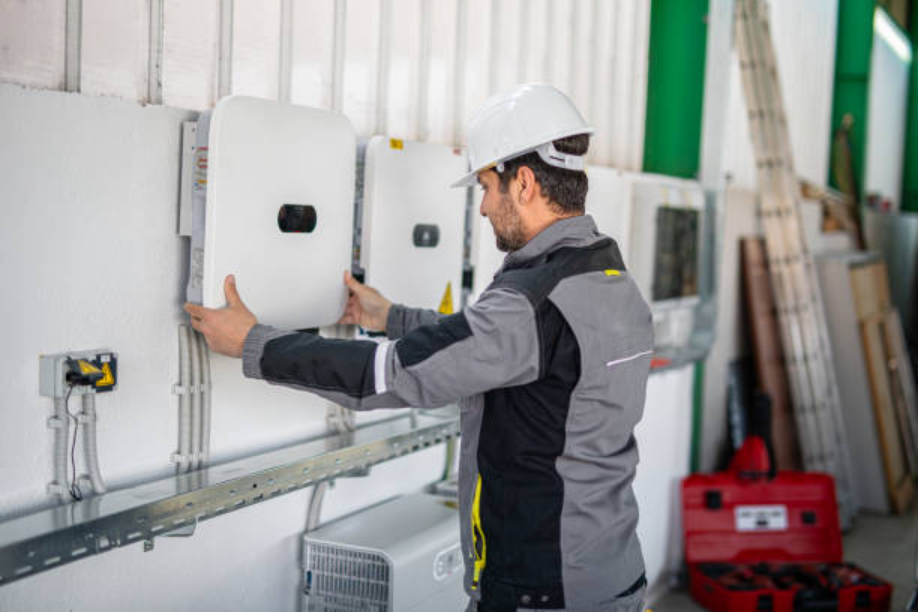
Proper installation is crucial to ensure a DVS home ventilation system operates effectively. Factors such as correct placement of vents and sensors, adequate ductwork, and professional calibration all play a key role in maximising airflow efficiency, indoor air quality, and overall system performance.
While some homeowners may attempt DIY installation, professional installation ensures the system is correctly configured, ducts are sealed, and sensors are calibrated. Professional installation also aligns with regulatory standards NZ.
Costs vary based on home size, system complexity, and additional features. While initial investment may be higher than passive ventilation, the long-term benefits in energy savings, health, and reduced maintenance costs make DVS a worthwhile investment.
Regular maintenance is essential to ensure the DVS system operates at peak efficiency and enjoys a long service life. Routine checks, cleaning of filters, inspection of fans and sensors, and prompt attention to any issues help maintain optimal indoor air quality and prevent costly repairs.
Air filters should be inspected and replaced regularly to prevent dust buildup and maintain airflow. Following a filter replacement guide ensures optimal performance.
Like any ventilation system, DVS requires periodic inspections to clean ducts, check sensors, and verify fan performance. Seasonal maintenance reduces the risk of breakdowns and helps maintain energy efficiency. For professional support and expert servicing, contact HVAC installers services in Auckland provided by NXG Electrical.
Watch for signs such as unusual noises, decreased airflow, or inconsistent indoor air quality. Early detection and professional servicing prevent costly repairs and maintain healthy living conditions.
Optimizing your DVS system can enhance performance and reduce costs:
These steps help maximize the benefits of energy-efficient ventilation and maintain healthy indoor air quality.
All DVS installations must comply with New Zealand building and ventilation standards, ensuring both safety and optimal system performance. Adhering to these regulations guarantees that the system operates efficiently, meets legal requirements, and provides reliable indoor air quality for occupants.
Professional installers ensure that systems meet local codes, including correct duct sizing, airflow rates, and electrical connections. Compliance also protects homeowners in case of warranty claims or insurance requirements.
Meeting regulatory standards ensures optimal performance, prevents legal issues, and guarantees that your system delivers promised energy efficiency and air quality benefits.
Investing in DVS home ventilation improves indoor air quality NZ, prevents mold, enhances energy efficiency, and promotes better health for your family. By understanding what DVS ventilation is, comparing DVS vs passive ventilation, and considering professional installation, Auckland homeowners can ensure optimal comfort and safety year-round.
For professional installation, maintenance, and consultation, visit NXG Electrical and experience the benefits of modern, energy-efficient ventilation systems.
Improve your home’s air quality with a professional DVS installation. Schedule a consultation with Nexgen Electrical Ltd experienced Auckland technicians. Maintain energy efficiency and prevent mold in your home.
It is recommended to service your heat pump twice a year, typically in spring and autumn, before peak cooling and heating seasons.
Common signs include reduced heating or cooling efficiency, unusual noises, strange odors, frost buildup, and increased energy bills.
Basic tasks like filter replacement and clearing debris are safe DIY options, but refrigerant checks, coil cleaning, and electrical inspections should be done by professionals.
The cost of a heat pump check in Auckland varies based on the unit type, scope of service, and any parts required. Professional servicing prevents expensive repairs over time.
Replace filters regularly, keep the outdoor unit clear, schedule seasonal HVAC maintenance, set thermostat efficiently, and insulate ductwork.