Many Auckland homeowners live in houses that are decades old, and while the character and charm of these properties are undeniable, their electrical systems often tell a different story. Old wiring can quietly deteriorate behind walls and ceilings, creating serious safety risks if left unchecked.
Understanding how often you should inspect or upgrade your wiring is essential for protecting your home, meeting insurance compliance requirements, and avoiding unexpected electrical failures. A professional home wiring inspection Auckland homeowners trust can identify issues early and help you plan upgrades before they become costly emergencies.
In this guide, NEXGEN Electrical explains when old wiring should be checked, what warning signs to look for, and how Auckland homeowners can stay safe and compliant.
Auckland has a wide range of housing styles, from early 1900s villas to mid-century bungalows and 1970s family homes. Many of these properties still rely on original or partially upgraded electrical systems.
Older wiring was not designed to handle today’s electrical demand. Modern households use significantly more power for appliances, heating, cooling, and technology. As a result, old house wiring NZ homes often struggle to keep up, increasing the risk of faults and failures.
Without regular inspections, wiring problems can go unnoticed until they cause serious damage.
home wiring inspection Auckland
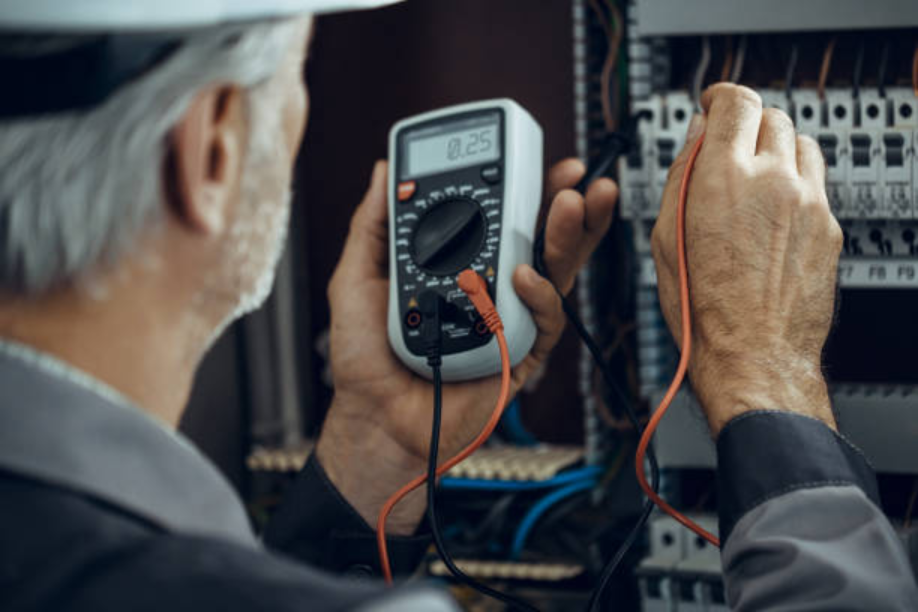
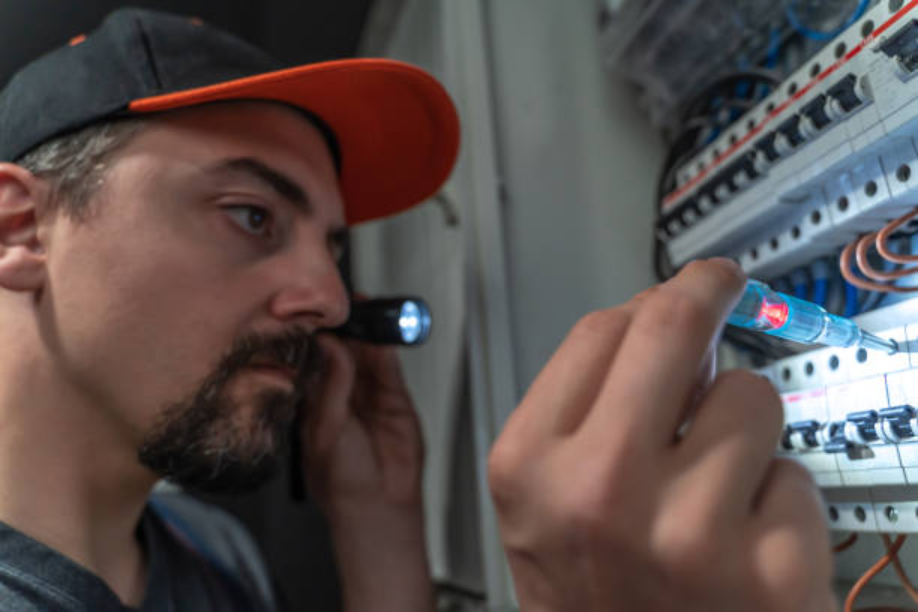
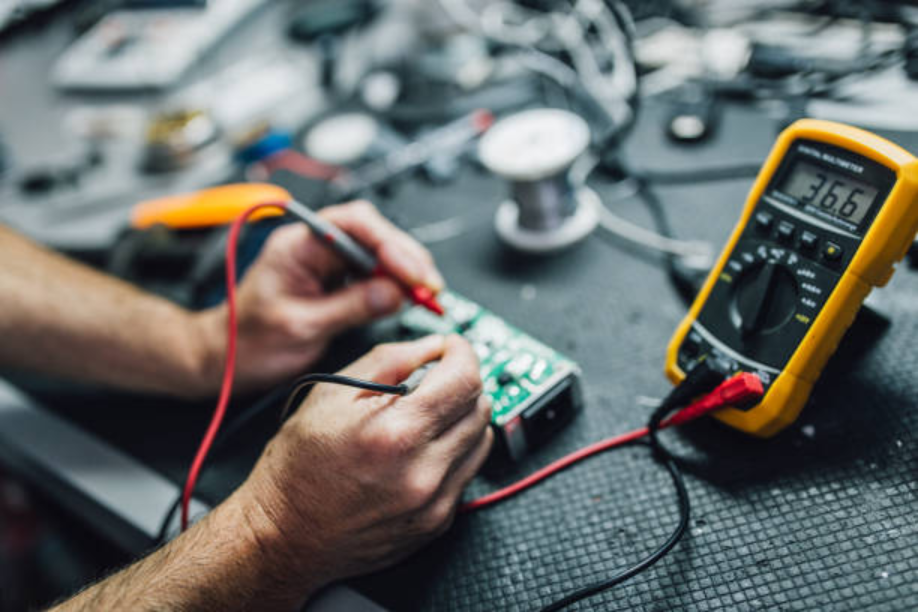
A professional wiring inspection is the safest way to assess the condition of your home’s electrical system. These inspections identify worn cables, outdated materials, and potential hazards that may not be visible to homeowners.
A comprehensive home wiring inspection Auckland service typically includes:
For Auckland homeowners, booking a house electrical inspection Auckland service provides peace of mind and helps prevent costly repairs later.
There is no one-size-fits-all answer, but general guidelines can help homeowners decide when inspections or upgrades are necessary.
Homes Over 40 Years Old
If your home is more than 40 years old and has not been fully rewired, an inspection is strongly recommended. Wiring materials degrade over time, even if no obvious issues are present.
Rental Properties
Landlords should arrange more frequent inspections to meet safety obligations and insurance compliance requirements.
After Renovations or Extensions
Any major renovation can increase electrical demand. Older wiring may not be suitable for additional circuits or new appliances.
If Warning Signs Appear
Flickering lights, tripping breakers, or burning smells are all signs that your wiring needs immediate attention.
Understanding what type of wiring is in your home helps determine whether an upgrade is necessary.
Knob and Tube Wiring NZ
Knob and tube wiring NZ systems were used in very early homes. While rare today, they lack modern insulation and grounding, making them unsafe by current standards.
Vulcanised Rubber (VIR) Wiring
VIR wiring was common in homes built between the 1930s and 1960s. Over time, the rubber insulation becomes brittle and cracks, exposing live wires.
Aluminium Wiring
Some mid-century homes used aluminium wiring, which can loosen and overheat if not properly maintained.
Old wiring significantly increases the risk of electrical hazards. These hazards can affect both safety and property value.
Common electrical hazards NZ homes face include:
Regular inspections reduce these risks and help ensure your home remains safe.
Not all wiring issues are immediately visible. However, there are several warning signs homeowners should never ignore:
If your home shows any of these signs, a licensed electrician should assess the wiring as soon as possible.
One of the most common concerns homeowners have is cost. Rewiring costs Auckland homes can vary depending on several factors.
These include:
While rewiring is a significant investment, it improves safety, supports modern electrical needs, and increases property value. A professional assessment allows you to plan upgrades in stages if needed.
Why Insurance Compliance Matters
Many insurance providers require homes to meet minimum electrical safety standards. Old or unsafe wiring can result in:
Maintaining insurance compliance often means arranging inspections and upgrading wiring where required. Documentation from a licensed electrician can be essential if you ever need to make a claim.
Not all homes require a full rewire immediately. In some cases, partial upgrades or switchboard replacements may be sufficient.
A professional electrician will assess:
This tailored approach ensures you only upgrade what is necessary while maintaining safety and compliance.
Electrical systems should always be assessed by qualified professionals. DIY inspections or assumptions can miss critical issues hidden within walls or ceilings.
A licensed electrician provides:
This protects both homeowners and occupants in the long term.
NEXGEN Electrical provides professional, safety-focused electrical services tailored to Auckland homes.
Our team offers:
Whether you need an inspection or guidance on upgrading old wiring, our electricians are here to help.
If your home has ageing wiring or you’re unsure about its condition, don’t wait for problems to arise. A professional inspection can identify issues early and help you plan safely.
Contact our team today through our contact page to book a home wiring inspection or discuss your electrical concerns.
Homes over 40 years old should be inspected every 5–10 years, or sooner if warning signs appear.
While some older systems may still exist, knob and tube wiring does not meet modern safety standards and should be upgraded.
Not always, but insurers may require upgrades if wiring poses a safety risk. An inspection provides clarity.
Yes. Rewiring improves safety, supports modern appliances, and can increase property value.
A licensed and experienced residential electrician who understands NZ electrical standards and compliance requirements.