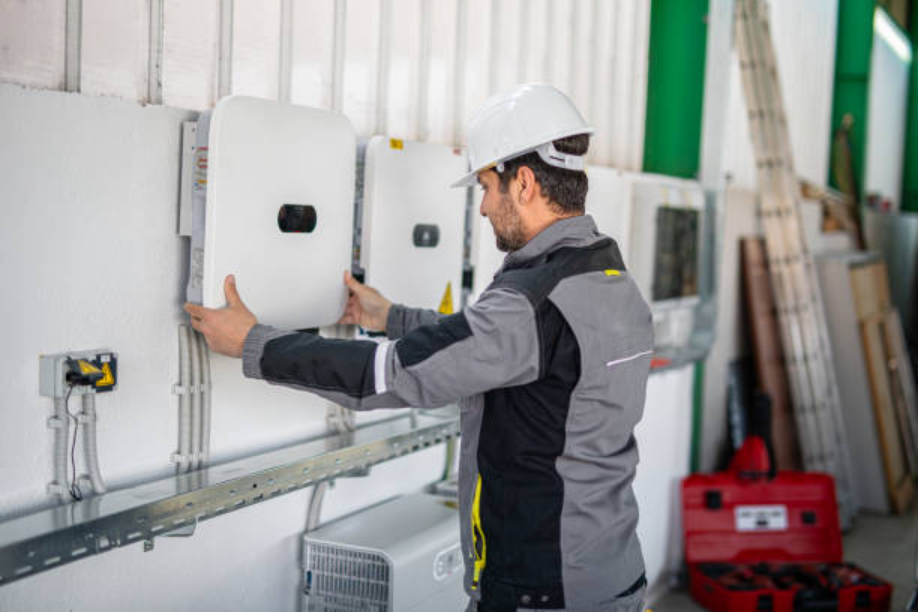
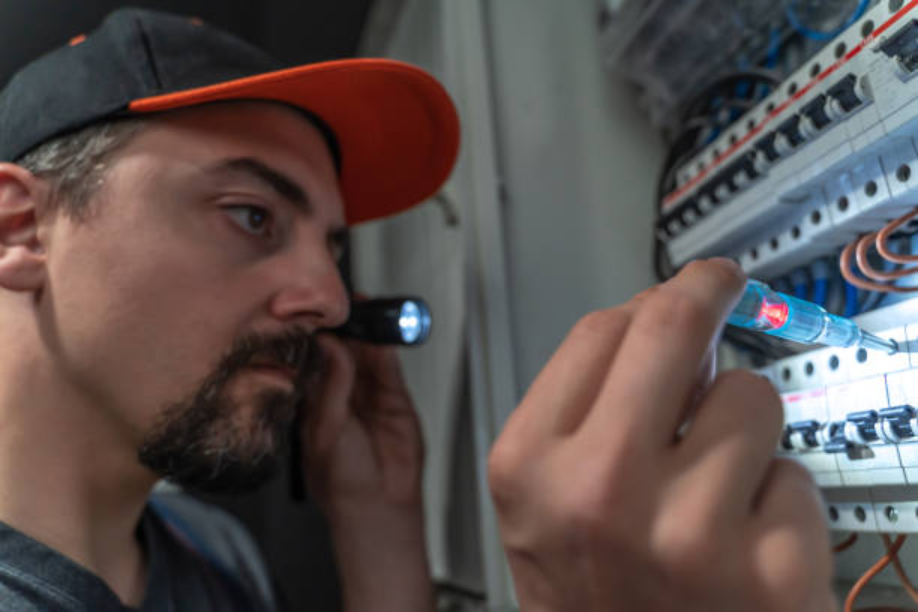
Unplug all devices and switch off appliances on the affected circuit before attempting to reset the safety switch or circuit breaker.

If you’ve ever faced a sudden blackout, flickering lights, or a circuit breaker that keeps tripping, you know how unsettling and inconvenient it can be. Knowing What to do when power trips Auckland can turn a panic moment into a quick, safe resolution. Many Auckland homeowners search for What to do when power trips Auckland during urgent electrical faults and having the right steps in mind can make the situation far less stressful. At NXG Electrical, we often respond to urgent calls from homeowners facing unexpected outages, sparking outlets, or RCD switches that won’t be reset. We’re available 24/7 across Auckland for emergency repairs and safety checks. Understanding What to do when power trips Auckland helps you stay calm, act safely, and get your power restored efficiently.
This guide will help you navigate the first critical steps — from checking RCDs and safety switches to deciding when to call a licensed electrician. Follow these steps calmly and methodically to help ensure your home remains safe, and your power returns as soon as possible.
Power trips, or circuit breaker trips, can be triggered by a variety of factors. Understanding the common causes helps you avoid repeated outages and identify when there might be a serious mistake. Knowing What to do when power trips Auckland begins with recognizing why the issue occurs in the first place.
Overloaded circuits:
When too many appliances or devices draw power from the same circuit, the breaker trips to protect wiring.
Faulty appliance or wiring fault:
A damaged cord, short circuit, or leaking current can cause the safety switch (RCD) to trip.
Moisture or water ingress:
In kitchens, bathrooms, or outdoor power points — dampness can cause current leakage and trips.
Aging electrical components:
Old switchboards, worn wiring insulation, or outdated safety switches may become unreliable over time.
Temporary surges or fluctuations:
Storms, power grid issues, or appliance startup surges can lead to a trip as a protective measure.
Understanding these triggers is an essential part of What to do when power trips Auckland, helping you recover safely and avoid repeated issues.
When the lights go out, follow this checklist before calling for professional help. Many times, you can safely reset the power — but only if you follow a careful procedure.
If after these steps the power stays on and no issues recur, you’ve likely resolved a simple overload. But if the breaker trips again or the RCD won’t reset — do not persist. That indicates a deeper wiring or safety issue requiring a licensed electrician.
Not all power trips are straightforward overloads. Sometimes they point to underlying hazards. Call an emergency electrician (like those from NXG Electrical) immediately if you observe any of the following:
At NXG Electrical we provide 24 / 7 services across Auckland to address these emergencies — ensuring licensed, safe, and speedy resolution
RCDs and circuit breakers are safety devices built to protect your home’s electrical circuits. Here’s why they’re important — and what to do if they fail to remain stable.
Role of RCDs / Safety Switches
An RCD monitors current flow. If it detects imbalance — e.g. leakage to earth, short circuits, or ground faults — it trips to cut off power instantly. This reduces the risk of electric shock, fire, appliance damage, or wiring overheating. Regular RCD testing is recommended to ensure it remains functional.
Why Resetting Works (Sometimes)
When Resetting Fails — Root Causes Could Be Serious
If the breaker trips again immediately, or the RCD won’t reset even with nothing plugged in, that suggests a wiring fault, earth leakage, moisture ingress, or worn components. These issues require licensed electricians. Persistent resets or forcing the switch should be avoided — it can damage the circuit and pose safety risks.
Prevention helps save time, stress, and danger. Keep in mind the following tips:
These simple measures often prevent common causes of trips and electrical failures.
If your issue is beyond a simple reset — e.g. wiring faults, overheated circuits, or repeated trips — a licensed electrician should inspect and repair. Firms like NXG Electrical provide:
Calling a professional avoids risks of fire, electric shock, or repeated power failures — and ensures long-term safety for your home.
Imagine it’s 10:00 pm. Lights go out suddenly; the house goes dark. Here’s a practical step-by-step response:
This method often restores power quickly — or identifies if there’s a deeper issue requiring professional repair.
Electrical failures don’t happen on schedule. They occur at night, during storms, or when appliances fail. Having a clear, reliable plan — understanding how to reset breakers, check RCDs, and when to call professional help — can save you time, stress, and possibly dangers.
For residents in Auckland, where companies like NXG Electrical offer 24/7 emergency coverage, knowing these steps ensures you use their services effectively and only when truly needed.
Knowing what to do when power trips in Auckland can make a serious difference — in safety, convenience, and peace of mind. By following a clear checklist, understanding how to reset breakers or RCDs, avoiding risky DIY attempts, and calling a reliable 24/7 electrician when needed, you protect both your home and loved ones.
NXG Electrical remains ready around the clock to provide expert, licensed emergency response across Auckland — offering assurance that any electrical fault will be handled quickly, thoroughly, and safely. Keep this guide handy and stay prepared for whatever your home’s wiring throws your way.
Unplug all devices and switch off appliances on the affected circuit before attempting to reset the safety switch or circuit breaker.
No. If you see sparks, smell burning, or detect heat — do not reset. Immediately call a licensed electrician.
That often signals a wiring fault, moisture leakage, or a faulty RCD — a licensed electrician should inspect it.
No. Repeated resets can mask underlying issues and increase the risk of fire or shock. Always call an electrician if trips persist.
At a reputable firm like NXG Electrical, you can expect a rapid response — often within an hour if available — to handle urgent electrical issues safely and professionally.