Electrical Emergency

What to Do During an Electrical Emergency NZ | Home & Workplace Safety Guide 

Knowing what to do during an electrical emergency NZ residents may face can make a critical difference to safety, property damage, and even lives. Electrical emergencies can happen suddenly at home or at work, often without warning, and reacting correctly in those first moments is essential. 

Electrical faults such as sparks, power outages, burning smells, or exposed wiring are not just inconvenient—they can pose serious risks including fire, electric shock, and equipment damage. Acting quickly, calmly, and safely helps minimise harm while ensuring professional help can resolve the issue properly. 

At NEXGEN Electrical, we regularly assist Auckland homes and businesses with urgent electrical issues. This guide explains how to recognise an emergency, what immediate steps to take, and when to contact a qualified electrician for assistance. 

What Is Considered an Electrical Emergency? 

An electrical emergency is any situation involving electricity that poses an immediate risk to people, property, or systems. These issues should never be ignored or handled without professional expertise. 

Common electrical emergencies include:

  • Electrical sparks or flashing outlets
  • Burning smells from switches or appliances
  • Partial or total power outages
  • Tripping circuit breakers that won’t reset
  • Exposed or damaged wiring
  • Electrical shocks when touching appliances
  • Smoke or signs of electrical fire

Step One: Stay Calm and Assess the Situation 

The first step during any electrical emergency is to remain calm. Panic can lead to unsafe decisions, especially around live electrical systems. 

Take a moment to assess: 

  • Is anyone in immediate danger? 
  • Is there visible smoke, fire, or sparks? 
  • Has the power gone out completely or partially? 
  • Is the issue isolated to one area or appliance? 

If there is immediate danger, evacuate the area and call emergency services before taking further action. 

Step Two: Switch Off the Power If It’s Safe 

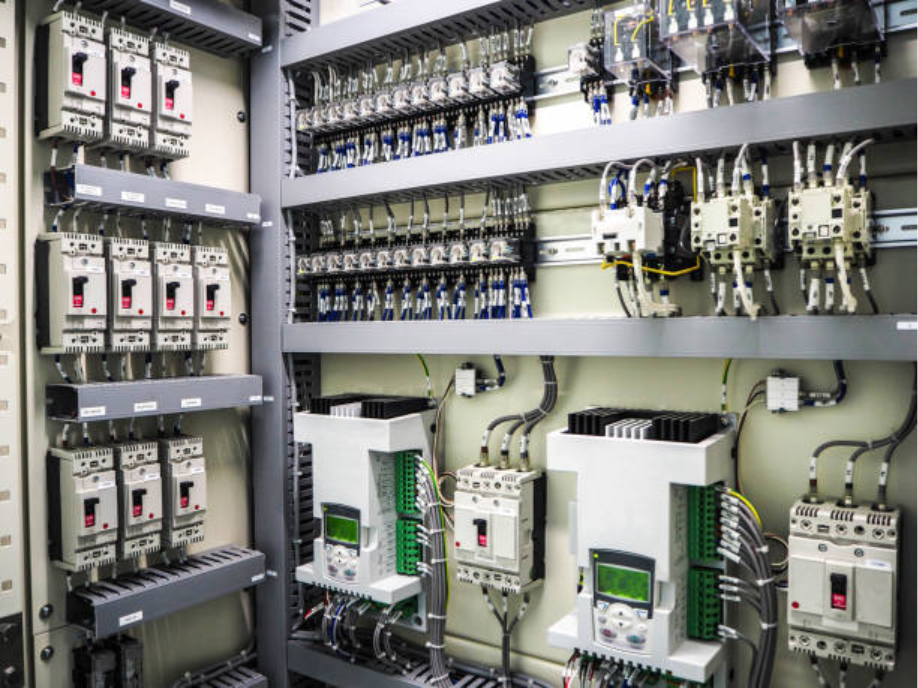
Understanding switchboard safety is crucial during an emergency. If it is safe to do so, shutting off the electricity can help prevent further damage or injury. 

When to shut off power: 

  • There is sparking or smoking from outlets 
  • You smell burning plastic or insulation 
  • Water has come into contact with electrical systems 
  • Appliances are overheating 

Turn off the main switch at the switchboard only if you can reach it safely without touching exposed wires or standing in water. Never attempt this if there is fire present. 

Step Three: Keep People Away From the Hazard 

Restrict access to the affected area immediately. This is especially important in workplaces where multiple people may unknowingly approach the hazard. 

Ensure: 

  • Children and pets are kept well away 
  • Staff or family members are warned 
  • Temporary barriers or signs are used if needed 

Electrical sparks danger increases if people attempt to investigate or “test” faulty equipment themselves. 

Power Outage Safety: What to Do Next 

Power outages are one of the most common electrical emergencies across New Zealand. While not all outages are dangerous, they still require caution. 

Power outage safety tips: 

  • Check if neighbouring properties are affected 
  • Avoid using candles; use torches instead 
  • Turn off sensitive electronics to prevent surges 
  • Do not reset breakers repeatedly if they keep tripping 

If the outage appears to be isolated to your property, it may indicate a fault that requires professional inspection. 

Electrical Fire Risk: Immediate Actions to Take 

Electrical fires are extremely dangerous and should never be tackled with water. Knowing how to respond correctly reduces the risk of serious damage. 

If an electrical fire occurs: 

  • Do not throw water on the fire 
  • Use a fire extinguisher rated for electrical fires if available 
  • Evacuate immediately if the fire spreads 
  • Call emergency services and an electrician 

Electrical fire risk often starts from faulty wiring, overloaded circuits, or damaged appliances, highlighting the importance of regular inspections. 

What NOT to Do During an Electrical Emergency 

Understanding what not to do is just as important as knowing the correct steps. 

Avoid the following: 

  • Touching exposed wires or damaged outlets 
  • Attempting DIY electrical repairs 
  • Using water near electrical faults 
  • Resetting breakers without understanding the cause 
  • Continuing to use faulty appliances 

Improper handling can worsen the situation and increase injury risk. 

When to Call a Professional Electrician 

Many people delay calling an electrician, hoping the issue will resolve itself. This often leads to more severe problems later. 

You should contact a professional immediately if: 

  • The power keeps tripping repeatedly 
  • You notice burning smells or heat 
  • Outlets spark or crackle 
  • Appliances cause shocks 
  • You experience a total or partial outage without explanation 

For urgent issues outside normal hours, an after-hours electrician in Auckland can provide fast, safe assistance. 

Electrical Emergencies at Workplaces: Extra Considerations 

Work environments often involve higher electrical loads, specialised equipment, and increased risk exposure. 

Key workplace actions include: 

  • Following site safety protocols 
  • Isolating affected circuits immediately 
  • Reporting incidents to management 
  • Recording faults for compliance purposes 

Business owners have a legal responsibility to maintain safe electrical systems for staff and visitors. 

Preventing Electrical Emergencies in the Future 

While not all emergencies can be prevented, many can be avoided with proactive maintenance and awareness. 

Prevention tips: 

  • Schedule regular electrical inspections 
  • Avoid overloading power boards 
  • Replace damaged cords immediately 
  • Upgrade outdated switchboards 
  • Use qualified electricians for all work 

Preventative care reduces the likelihood of sudden failures and improves overall electrical safety. 

Why Professional Help Matters 

Electrical systems are complex and potentially dangerous. Licensed electricians have the training, tools, and experience to diagnose and repair faults safely. 

At NEXGEN Electrical, we prioritise safety, compliance, and long-term solutions rather than temporary fixes. Whether it’s a home or workplace emergency, professional intervention ensures peace of mind. 

If you’re unsure whether your situation requires immediate attention, it’s always safer to seek expert advice. 

What to Do After the Emergency Is Resolved 

Once the immediate danger has passed, follow up with: 

  • A full electrical inspection 
  • Documentation of the incident 
  • Repairs or upgrades if recommended 
  • Safety briefings for staff or household members 

Learning from the situation helps prevent future emergencies. 

Get Help When You Need It 

If you experience an electrical emergency or have concerns about your electrical safety, don’t wait. You can contact NEXGEN Electrical for expert support, advice, and emergency assistance. 
Frequently Asked Questions (FAQs) 

Electrical Emergency FAQs
1. What qualifies as an electrical emergency in NZ?
Any situation involving sparks, smoke, power loss, shocks, or exposed wiring that poses immediate danger is considered an electrical emergency.
2. Should I turn off the power during an electrical emergency?
Yes, if it is safe to do so and there is no fire present. Turning off the main switch can help reduce risk.
3. Are power outages always an emergency?
Not always, but unexplained or repeated outages may indicate a serious underlying fault that needs professional attention.
4. Can I fix minor electrical issues myself?
No. Electrical work should only be carried out by licensed electricians to ensure safety and compliance.
5. When should I call an after-hours electrician?
If the issue occurs outside business hours and poses a safety risk, contacting an after-hours electrician is recommended.

Recent Posts

  • Home’s Electrical System
    February 13, 2026
    How Safe Is Your Home’s Electrical System? A NZ Homeowner’s Guide 
  • Check Old Wiring
    February 9, 2026
    How Often Should You Upgrade or Check Old Wiring? | Home Wiring Inspection Auckland 
  • Diagnose Intermittent Electrical
    January 25, 2026
    How to Diagnose Intermittent Electrical Fault NZ: A Homeowner’s Safety Guide 
  • Emergency Electrician
    January 20, 2026
    What to do When Power Trips Auckland — Emergency Electrician Checklist for Homeowners 
  • Emergency Electrician
    January 19, 2026
    When Should You Call an Emergency Electrician in Auckland? 
  • Electrical Emergency
    January 15, 2026
    What to Do During an Electrical Emergency NZ | Home & Workplace Safety Guide