
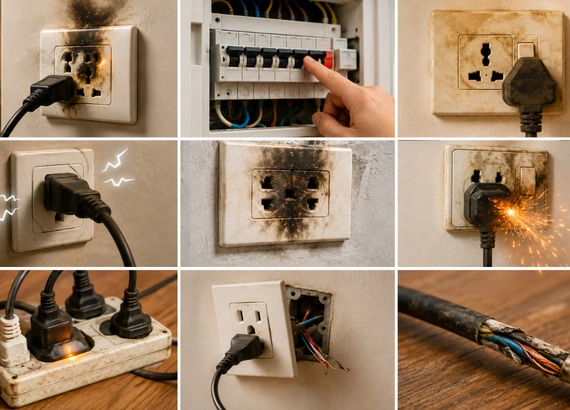
Small electrical issues may seem harmless at first, but they can quickly turn into serious safety hazards if left unattended. A flickering light, a frequently tripping circuit breaker, or a warm power outlet might appear to be minor inconveniences, yet they can indicate underlying problems with your home’s electrical system. Ignoring these warning signs can increase the risk of electrical fires, damage expensive appliances, or even lead to unexpected power outages.
Many homeowners aren’t sure which electrical issues require immediate attention and which ones can wait. Understanding the early signs of electrical problems in your home can help you take action before they become costly or dangerous. In this guide, we’ll explain the most common warning signs, what they could mean, and when it’s time to contact a licensed electrician to keep your home safe and your electrical system running reliably.
Why It’s Important to Identify Electrical Problems Early
Electrical problems rarely fix themselves. Identifying warning signs early can help you avoid expensive repairs, improve your home’s safety, and prevent small issues from becoming major electrical hazards.
- Prevent costly repairs: Fixing a minor electrical fault early is often quicker and more affordable than repairing extensive damage caused by neglected issues.
- Improve home safety: Faulty wiring, overloaded circuits, or damaged electrical components can pose serious safety risks. Addressing problems promptly helps create a safer living environment for your family.
- Reduce the risk of electrical fires: Many electrical fires are caused by hidden faults that develop over time. Recognising the warning signs early allows these issues to be repaired before they become dangerous.
- Protect electrical appliances: Power fluctuations and faulty electrical systems can shorten the lifespan of appliances and electronic devices. Keeping your electrical system in good condition helps protect your valuable equipment.
- Avoid unexpected power outages: Electrical faults can lead to sudden power interruptions that disrupt your daily routine. Regular maintenance and timely repairs help keep your home’s electrical system reliable and operating efficiently.
If you notice any unusual electrical issues, it’s always best to have them inspected by a licensed electrician before they become more serious.
10 Signs Your Home Has an Electrical Problem You Shouldn’t Ignore

Electrical problems often give warning signs before they become serious. Recognising these early can help protect your home, your family, and your appliances from unnecessary damage.
1. Circuit Breakers Trip Frequently
A circuit breaker is designed to protect your home’s electrical system by automatically switching off the power when it detects an overload or electrical fault. While an occasional trip is normal, frequent tripping is a sign that something isn’t working as it should.
Common causes include:
- Overloaded circuits with too many appliances connected.
- Faulty wiring or damaged electrical components.
- Defective appliances drawing too much power.
- An outdated switchboard that can’t handle modern electrical demands.
Frequent circuit breaker trips should never be ignored. Resetting the breaker repeatedly without identifying the cause can increase the risk of electrical damage and create potential safety hazards.
If your circuit breaker trips regularly, even after unplugging appliances, it’s time to contact a licensed electrician. They can identify the underlying issue, carry out the necessary repairs, and ensure your electrical system is operating safely and reliably.
2. Flickering or Dimming Lights
Lights that flicker or dim occasionally may not seem like a major concern, but if it happens regularly, it could indicate an underlying electrical problem. While changing a faulty light bulb may solve the issue in some cases, persistent flickering often points to problems within your home’s electrical system.
Common causes include:
- Loose wiring or poor electrical connections.
- Overloaded circuits with multiple appliances running at the same time.
- Faulty light fittings, switches, or fixtures.
- Voltage fluctuations caused by electrical faults.
If your lights dim whenever large appliances are switched on or multiple lights flicker at once, it may be a sign of a more serious issue, such as deteriorating wiring or an overloaded electrical system. Ignoring these warning signs can increase the risk of equipment damage and electrical hazards.
If replacing the bulb doesn’t resolve the problem or the issue keeps occurring, it’s best to have a licensed electrician inspect your electrical system and identify the cause before it becomes more serious.
3. Burning Smell from Switches or Power Points
A burning smell coming from a switch, power point, or electrical appliance should never be ignored. It often indicates overheating or damaged wiring, which can quickly become a serious fire hazard.
Common causes include:
- Overheating electrical components.
- Damaged or loose wiring.
- Overloaded power points or circuits.
- Faulty switches or outlets.
If you notice a burning smell:
- Switch off the power immediately if it is safe to do so.
- Avoid using the affected switch or power point.
- Do not ignore the smell, even if it disappears.
- Contact a licensed electrician to inspect and repair the problem before using the circuit again.
4. Power Points or Switches Feel Warm
Power points and switches should never feel hot or unusually warm during normal use. Excess heat often indicates an electrical problem that should be checked as soon as possible.
Common causes include:
- Electrical overload from too many devices.
- Loose or damaged electrical connections.
- Faulty switches or power points.
- Ageing or deteriorating wiring.
A warm switch or outlet can become a fire risk if left unattended. Stop using the affected power point or switch and arrange for a licensed electrician to inspect and repair the issue before it worsens.
5. Buzzing or Crackling Sounds
Your home’s electrical system should operate quietly. If you hear buzzing, crackling, or humming sounds coming from switches, power points, light fittings, or your switchboard, it could be a sign of an underlying electrical fault.
Common causes include:
- Loose wiring or electrical connections.
- Faulty switches, outlets, or light fittings.
- Damaged electrical components.
- Overloaded electrical circuits.
These sounds should never be ignored, as they may indicate overheating or arcing, which can increase the risk of electrical fires. If you notice unusual electrical noises, switch off the affected circuit if it is safe to do so and contact a licensed electrician to inspect the problem promptly.
6. Electric Shocks When Using Appliances
Even a mild electric shock when touching an appliance, switch, or power point is not normal and should never be ignored. It may indicate a fault that could become more dangerous if left unresolved.
Common causes include:
- Faulty or damaged appliances.
- Poor grounding or earthing.
- Damaged wiring or loose connections.
- Faulty power points or switches.
Licensed electrician can identify the source of the problem, carry out the necessary repairs, and ensure your home’s electrical system is safe to use.
7. Outdated Wiring
Older wiring may not be able to safely handle the electrical demands of modern homes. If your property has never had its wiring upgraded, it’s worth having it inspected by a licensed electrician.
Common signs of ageing wiring include:
- Frequent circuit breaker trips.
- Flickering lights.
- Discoloured power points or switches.
- Damaged or exposed wiring.
Rewiring your home improves safety, supports modern appliances, and helps ensure your electrical system meets current New Zealand standards.
8. High Electricity Bills Without Explanation
If your electricity bills keep increasing without any noticeable change in your energy usage, your home’s electrical system could be part of the problem. Faulty or inefficient electrical components can waste electricity without obvious warning signs.
Possible causes include:
- Faulty electrical components using excess power.
- Outdated or inefficient wiring.
- Older lighting that consumes more electricity.
- Electrical faults affecting system performance.
If your energy bills continue to rise unexpectedly, an electrical inspection can help identify hidden issues and recommend upgrades that improve efficiency and reduce unnecessary electricity usage.
9. Sparking Power Points
A small spark when plugging in an appliance can sometimes be normal, as electricity makes brief contact with the outlet. However, large sparks, repeated sparking, or sparks accompanied by burning smells, discolouration, or unusual noises are signs of a potential electrical problem.
Possible causes include:
- Damaged or worn power points.
- Loose wiring behind the outlet.
- Faulty electrical connections.
- Overloaded electrical circuits.
Licensed electrician should inspect the outlet and replace it if necessary to prevent electrical hazards and ensure your home’s electrical system remains safe.
10. Frequent Power Outages in Part of Your Home
If only one room or a specific area of your home repeatedly loses power while the rest of the house remains unaffected, it may indicate a localised electrical fault rather than a general power outage.
Possible causes include:
- Faulty or overloaded electrical circuits.
- Damaged or deteriorating wiring.
- Loose electrical connections.
- Problems with the switchboard or circuit breaker.
Have the issue inspected by a qualified electrician to identify the fault and restore power safely.
What Should You Do If You Notice These Warning Signs?

If you notice any of these warning signs, taking the right action can help prevent electrical hazards and reduce the risk of costly repairs. Here are the steps you should follow:
- Don’t ignore the problem: Even minor electrical issues can develop into serious safety risks if left unattended.
- Avoid DIY electrical repairs: Electrical work requires the right skills and equipment. Attempting repairs yourself can be dangerous and may make the problem worse.
- Turn off the power if there’s an immediate safety risk: If you notice a burning smell, smoke, sparks, or exposed wiring, switch off the power at the main switch if it is safe to do so.
- Stop using faulty appliances: Unplug any appliance that appears damaged or is causing electrical issues until it has been inspected or repaired.
- Contact a qualified electrician promptly: Arrange for a professional to assess the issue and identify the cause before it leads to further damage.
- Schedule a professional electrical inspection: A thorough inspection can uncover hidden faults, ensure your electrical system is operating safely, and help prevent future problems.
If you notice any warning signs, don’t delay having your electrical system inspected promptly to prevent more serious issues and keep your home safe.
When Should You Call a Professional Electrician?
If you notice any of the following warning signs, it’s important to arrange an electrical inspection as soon as possible.
- Burning smells: A burning odour from switches, power points, or your switchboard may indicate overheating or damaged wiring and should be investigated immediately.
- Repeated circuit breaker trips: Frequent tripping often points to overloaded circuits, faulty wiring, or an issue with your electrical system.
- Flickering lights throughout the home: If lights continue to flicker after replacing the bulb or affect multiple rooms, it may indicate a larger electrical fault.
- Electric shocks: Even a mild electric shock from an appliance, switch, or power point is a warning sign that should never be ignored.
- Warm switches or outlets: Power points and switches that feel hot or unusually warm can indicate loose connections or overloaded circuits.
- Sparking outlets: Large or repeated sparks, burning smells, or visible damage around power points require immediate attention.
- Power loss affecting multiple rooms: If power repeatedly goes out in several areas of your home, there may be an issue with your wiring, circuits, or switchboard.
- Renovation or home upgrades: Adding new appliances, extending your home, or renovating often requires professional electrical work to ensure your system can safely handle the increased demand.
Having them assessed and repaired promptly helps keep your home safe, prevents further damage, and ensures your electrical system continues to operate reliably.
Conclusion
Recognising the signs of electrical problems in your home early can help prevent minor issues from turning into serious safety hazards. Whether it’s flickering lights, frequent circuit breaker trips, sparking power points, or unusual burning smells, these warning signs should never be ignored. Taking action early can help keep your electrical system safe, reliable, and operating efficiently while reducing the risk of costly repairs, electrical fires, and damage to your appliances.
If you notice recurring electrical issues, it’s important to have them assessed by a licensed electrician rather than attempting to fix them yourself. Prompt inspections and professional repairs help protect your family, your home, and your valuable electrical equipment while ensuring your electrical system complies with New Zealand safety standards. If you’re looking for reliable electrical inspections, repairs, or residential electrical services in Auckland, contact NXG Electrical today for expert advice and professional solutions tailored to your home’s needs.

