
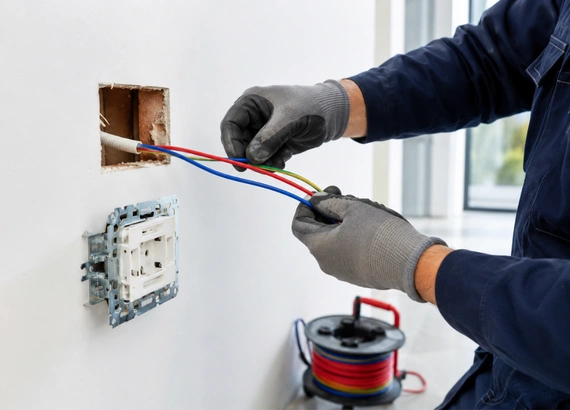
Electrical wiring is one of the most important parts of your home, but it doesn’t last forever. Over time, wiring can deteriorate, become outdated, or struggle to meet the demands of modern appliances and technology. Because most wiring is hidden behind walls and ceilings, many homeowners don’t realise there’s a problem until they experience warning signs such as flickering lights, frequent circuit breaker trips, or power outages.
Old or damaged wiring can affect your home’s safety, reliability, and overall electrical performance. Ignoring these issues may increase the risk of electrical faults, costly repairs, and even fire hazards. In this guide, you’ll learn the common signs that indicate house rewiring may be necessary, the benefits of upgrading your electrical system, and what to expect during the rewiring process so you can make informed decisions about your home’s electrical safety.
What Is House Rewiring?
House rewiring involves replacing some or all of the electrical wiring in your home to improve safety, reliability, and performance. It’s an important upgrade for older homes where the existing wiring may no longer meet modern electrical demands or current safety standards.
Over time, electrical wiring can wear out, become damaged, or struggle to support today’s appliances and technology. While minor electrical repairs focus on fixing specific issues, such as replacing a faulty switch or repairing a damaged cable, complete house rewiring involves installing new wiring throughout the home to create a safer and more reliable electrical system.
A full house rewiring is generally recommended when:
- Your home has old or deteriorating wiring.
- Electrical faults occur frequently.
- Your switchboard is outdated.
- You’re carrying out a major renovation or extension.
- Your home’s wiring no longer meets current New Zealand electrical standards.
- An electrical inspection identifies significant safety concerns.
If you’re unsure whether your home needs minor repairs or a complete rewire, a professional electrical inspection can assess the condition of your wiring and recommend the most suitable solution for your home’s age and electrical requirements.
Why Is House Rewiring Important?

Your home’s electrical wiring plays a vital role in keeping your electrical system safe and reliable. Rewiring an older home not only improves safety but also ensures your electrical system can support the way modern households use electricity.
- Improve electrical safety: Replacing old or damaged wiring reduces the risk of electrical faults, electric shocks, and other safety hazards.
- Reduce fire risks: Ageing or deteriorating wiring can overheat and increase the risk of electrical fires. New wiring provides a safer and more dependable electrical system.
- Support modern appliances: Today’s homes use more high-powered appliances than ever before. House rewiring helps ensure your electrical system can safely handle appliances such as heat pumps, air conditioners, induction cooktops, and EV chargers.
- Improve reliability: New wiring provides a more stable power supply, helping reduce issues like flickering lights, power outages, and frequent circuit breaker trips.
- Meet current New Zealand electrical standards: Rewiring helps bring your home’s electrical system up to current safety requirements, giving you greater confidence that it complies with modern regulations.
- Prepare your home for future electrical needs: Whether you’re planning a renovation, installing smart home technology, or adding new appliances, updated wiring provides the capacity needed for future upgrades.
It also gives you peace of mind, knowing your electrical system is ready to support both your current lifestyle and future electrical needs.
7 Signs Your Home May Need House Rewiring

Your home’s electrical wiring often shows warning signs before it fails completely. Recognising these signs early can help you avoid costly repairs, improve safety, and ensure your electrical system continues to operate reliably.
1. Frequent Circuit Breaker Trips
Circuit breakers are designed to protect your home by cutting off power when they detect an electrical overload or fault. While an occasional trip is normal, repeated tripping may indicate that your home’s wiring is no longer able to handle your household’s electrical demands.
Common reasons include:
- Overloaded circuits: Running multiple high-powered appliances on the same circuit can place excessive strain on your electrical system.
- Outdated wiring: Older wiring may not have the capacity to safely support today’s electrical usage.
- Increased electrical demand: Modern homes rely on more appliances, smart devices, and technology than older electrical systems were originally designed for.
- Electrical faults: Damaged or deteriorating wiring can also cause circuit breakers to trip more frequently.
Professional electrical inspection can identify the cause and recommend the safest solution for your home.
2. Flickering or Dimming Lights
Lights that flicker or dim occasionally may simply need a new bulb, but if the problem happens regularly or affects multiple rooms, it could indicate an issue with your home’s electrical wiring. This is especially true in older homes where the wiring may have deteriorated over time.
Possible causes include:
- Loose or ageing wiring: Electrical connections can loosen or wear out with age, causing an inconsistent flow of electricity.
- Electrical overload: Running several high-powered appliances at the same time can place extra strain on older wiring.
- Voltage fluctuations: An unstable power supply may indicate that your wiring or electrical system is no longer performing efficiently.
- Hidden wiring faults: Damaged or deteriorating wiring behind walls can also cause lights to flicker unexpectedly.
Professional electrical inspection can identify whether ageing wiring is the cause and determine if house rewiring is needed to restore the safety and reliability of your home’s electrical system.
3. Burning Smells or Discoloured Power Points
A burning smell or discolouration around a power point or switch is a serious warning sign that should never be ignored. These signs often indicate that electrical wiring or connections are overheating, increasing the risk of electrical failure.
Possible causes include:
- Old or damaged wiring can generate excessive heat when electricity passes through it.
- Loose or worn connections inside power points or switches can cause overheating and damage over time.
- Continued use of an overheating outlet can lead to melted components, electrical faults, or even a house fire.
- Stop using the affected power point, switch off the power if it is safe to do so, and arrange a professional electrical inspection as soon as possible.
If the problem is caused by ageing or deteriorating wiring, house rewiring may be recommended to restore the safety and reliability of your home’s electrical system.
4. Your Home Is More Than 30 Years Old
If your home is more than 30 years old and has never had its electrical wiring upgraded, it may be time to have it inspected. Older homes were built for much lower electricity usage and may not be equipped to safely support today’s appliances and technology.
Things to consider include:
- Electrical wiring can deteriorate over time, reducing its safety and reliability.
- Older wiring may not be designed to handle the electrical demands of modern households.
- Ageing wiring can increase the risk of electrical faults, overheating, and power interruptions if left unchecked.
- Rewiring improves electrical safety, provides more reliable power, supports modern appliances, and helps ensure your home meets current New Zealand electrical standards.
Identifying ageing wiring early can help prevent future issues and determine whether house rewiring is the right solution.
5. You Still Have Old Electrical Wiring
Not all electrical wiring is designed to last the lifetime of a home. If your property still has older wiring, such as rubber-insulated or fabric-insulated cables, it may have deteriorated over the years and no longer provide the level of safety expected in modern homes.
Warning signs of ageing wiring include:
- Cracked, brittle, or fraying cable insulation.
- Exposed electrical wires.
- Discoloured or damaged wiring.
- Wiring that has never been upgraded since the home was built.
Replacing old wiring with modern materials improves the safety, reliability, and performance of your home’s electrical system while ensuring it can support today’s electrical demands.
6. You’re Renovating or Adding New Appliances
Home renovations are the perfect opportunity to assess whether your existing wiring can support your updated electrical needs. Adding new rooms, upgrading your kitchen, or installing modern appliances often places extra demand on an older electrical system.
During a renovation, consider the following:
- Modern homes use significantly more electricity than older homes were originally designed to handle.
- Additional rooms, lighting, and power points often need dedicated electrical circuits for safe operation.
- Appliances such as induction cooktops, heat pumps, air conditioners, and EV chargers require a reliable electrical system with sufficient capacity.
- Rewiring during renovations makes it easier to accommodate future electrical upgrades without opening walls again.
If you’re already renovating, upgrading your wiring at the same time is often more practical and cost-effective than waiting until electrical problems develop later.
7. Frequent Electrical Problems Around the Home
If electrical issues keep occurring throughout your home, it’s worth looking beyond individual repairs. Problems such as buzzing switches, sparking power points, warm outlets, or recurring circuit breaker trips are often connected and may indicate that your home’s wiring is reaching the end of its lifespan.
Rather than treating each issue separately, consider the bigger picture. When multiple electrical faults continue to appear, it usually means the wiring can no longer deliver electricity safely and reliably. In many cases, replacing a faulty switch or outlet only provides a temporary fix if the underlying wiring is deteriorating.
A professional electrical inspection can determine whether the problem is limited to a single component or if house rewiring is the safest long-term solution. Addressing the root cause early can help improve your home’s safety, prevent future electrical faults, and provide a more dependable electrical system.
What Happens During a House Rewiring Project?

Professional electrician follows a structured approach to ensure your home’s electrical system is upgraded safely and complies with current New Zealand standards.
1. Initial Electrical Inspection
The process begins with a detailed inspection of your existing electrical system. The electrician checks the condition of the wiring, switchboard, power points, switches, and other electrical components to identify any safety concerns and determine the extent of the rewiring required.
2. Planning the Rewiring Work
Once the inspection is complete, a rewiring plan is prepared based on your home’s layout and electrical needs. This includes deciding where new wiring, power points, lighting, and circuits will be installed while considering any future electrical requirements.
3. Replacing Old Wiring
Old or damaged wiring is carefully removed and replaced with modern electrical cables that meet current safety standards. This helps improve the reliability of your electrical system and reduces the risk of future electrical faults.
4. Installing New Cables and Electrical Fittings
After the new wiring is in place, new electrical components are installed where required. This may include:
- Power points and switches.
- Light fittings.
- Circuit breakers.
- Safety switches (RCDs).
- New electrical circuits for modern appliances.
These upgrades ensure your home’s electrical system can safely support your everyday electrical needs.
5. Testing the Electrical System
Before the work is completed, the entire electrical system is thoroughly tested. This confirms that all wiring, circuits, and electrical components are operating correctly and safely.
6. Final Safety Checks
The final step is a comprehensive safety inspection to ensure the rewiring has been completed to a high standard and complies with current New Zealand electrical regulations. The electrician also checks that every circuit is functioning correctly, giving you confidence that your home’s electrical system is safe, reliable, and ready for everyday use.
When Should You Call a Professional Electrician?
If you notice any of the following situations, it’s important to arrange a professional electrical inspection to identify the cause and recommend the safest solution.
- If your circuit breakers keep tripping, it may indicate overloaded circuits, faulty wiring, or an electrical system that can no longer handle your home’s power demands.
- A burning smell coming from a switch, power point, or your switchboard is a warning sign of overheating or damaged wiring and requires immediate attention.
- Lights that regularly flicker or dim, especially in multiple rooms, may indicate loose wiring, overloaded circuits, or other underlying electrical issues.
- Cracked insulation, exposed cables, or ageing wiring materials should be inspected promptly, as they can increase the risk of electrical faults and fire hazards.
- Home renovations often involve additional lighting, power points, and appliances. A professional can assess whether your existing wiring is suitable or if house rewiring is required.
- Appliances such as EV chargers, heat pumps, air conditioning systems, and induction cooktops place greater demand on your electrical system. An electrician can ensure your wiring and switchboard are capable of supporting them safely.
- Power points that spark frequently, show burn marks, or make unusual noises should never be used until they have been professionally inspected.
- Ongoing problems such as buzzing switches, warm power points, power outages, or recurring electrical issues often indicate a deeper problem within your home’s electrical system.
Qualified electrician can identify the root cause, recommend the right solution, and ensure your home’s electrical system remains safe, reliable, and compliant with current New Zealand standards.
Conclusion
House rewiring is an important investment in the safety, reliability, and long-term performance of your home’s electrical system. As wiring ages, it can struggle to support modern electrical demands, increasing the risk of electrical faults, power interruptions, and potential fire hazards. If you’ve noticed warning signs such as frequent circuit breaker trips, flickering lights, burning smells, or outdated wiring, it’s important to have them assessed before they develop into more serious and costly problems.
Professional house rewiring replaces ageing wiring with modern electrical systems that improve safety, provide more reliable power, and help ensure your home complies with current New Zealand electrical standards. It also prepares your home for future appliances, renovations, and growing electrical needs. If you’re looking for trusted house rewiring in Auckland or need expert advice about your home’s electrical system, contact NXG Electrical today for reliable residential electrical services and professional solutions tailored to your home.
