
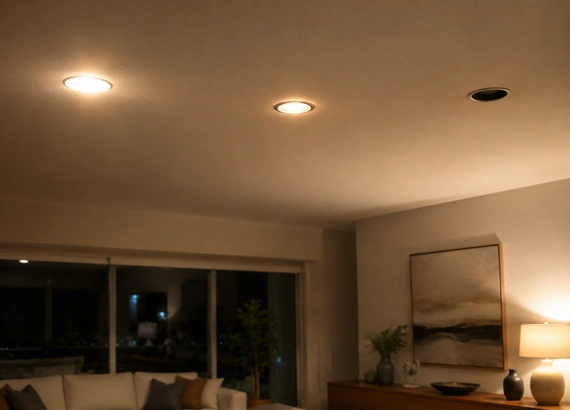
Lights that flicker occasionally can be frustrating, but they’re often more than just a minor annoyance. In some cases, the problem may be as simple as a loose light bulb or a faulty switch. However, if your lights continue to flicker regularly or multiple lights are affected, it could be a sign of an underlying electrical issue that needs attention. Ignoring these warning signs may lead to bigger problems, including damage to your electrical system, unexpected power interruptions, or even potential safety hazards.
Understanding why your lights are flickering is the first step towards keeping your home safe and your electrical system running reliably. In this guide, we’ll explain the most common causes of flickering lights, help you identify when the issue is a cause for concern, and outline the steps you should take to resolve the problem safely and effectively.
Why Do Lights Flicker?
Your home’s lighting depends on a steady flow of electricity to work properly. When that flow is interrupted or becomes unstable, your lights may begin to flicker, dim, or brighten unexpectedly.
Electricity travels from your switchboard through your home’s wiring to each light fixture. A consistent voltage is essential to keep your lights operating smoothly. If the voltage changes suddenly or there’s a problem with the wiring, switch, light fitting, or electrical circuit, the light may flicker.
Not all flickering lights are a cause for concern. For example, a light may flicker briefly if a bulb is loose or when a high-powered appliance starts up. However, frequent or persistent flickering, especially if it affects multiple lights or is accompanied by buzzing sounds, burning smells, or circuit breaker trips, could indicate a more serious electrical issue that should be professionally inspected.
Is It Normal for Lights to Flicker?
A light that flickers once in a while isn’t always a sign of a serious electrical problem. However, understanding the difference between normal flickering and warning signs can help you decide whether the issue is something simple or requires professional attention.
When Flickering Is Usually Normal
In some situations, flickering lights are expected and can often be resolved without major electrical work.
- Some LED bulbs may flicker briefly when they are first switched on, especially older or lower-quality bulbs.
- Lights may dim or flicker for a moment when high-powered appliances like heat pumps or air conditioners start operating.
- A bulb that isn’t securely fitted may lose contact with the socket, causing occasional flickering. Tightening or replacing the bulb often resolves the issue.
When Flickering Is a Warning Sign
Persistent or widespread flickering should never be ignored, as it may indicate a problem within your home’s electrical system.
- If lights in different rooms flicker at the same time, the issue may be related to your wiring, switchboard, or power supply.
- Lights that flicker regularly, even after replacing the bulb, often point to an underlying electrical fault.
- Buzzing or crackling noises from light fittings, switches, or power points may indicate loose wiring or faulty electrical components.
- If lights noticeably dim every time large appliances are switched on, your electrical system may be struggling to handle the load.
Having your electrical system inspected early can help identify the cause, improve safety, and prevent more serious electrical problems in the future.
8 Common Reasons Why Your Lights Are Flickering

Understanding the most common reasons can help you identify when it’s safe to troubleshoot and when it’s time to seek professional advice.
1. Loose Light Bulb
One of the most common causes of flickering lights is a loose light bulb. If the bulb isn’t making proper contact with the socket, the flow of electricity can be interrupted, causing the light to flicker.
- Check that the light bulb is securely tightened.
- Replace the bulb if it is old or damaged.
- If the light continues to flicker after replacing the bulb, the problem may be with the light fitting or electrical wiring and should be inspected by a professional.
2. Faulty Light Switch or Light Fixture
A worn-out light switch or faulty light fixture can interrupt the flow of electricity, causing your lights to flicker. Over time, electrical components can wear out or develop loose connections that affect their performance.
Common signs include:
- Lights flicker when you turn the switch on or off.
- Flickering only occurs with one specific light fixture.
- The switch feels loose, makes unusual noises, or doesn’t operate smoothly.
Professional lighting installation can ensure the issue is resolved safely and your lighting system operates reliably.
3. Loose Electrical Wiring
Loose electrical wiring is a more serious cause of flickering lights because the problem is often hidden behind walls or ceilings. As wiring ages or connections become loose, the flow of electricity can become unstable.
Common warning signs include:
- Flickering lights in multiple rooms.
- Buzzing sounds near switches or light fittings.
- Burning smells or warm power points.
- Lights flickering even after replacing the bulb.
Loose wiring can become a fire hazard if left untreated. Because wiring faults are not always visible, it’s important to have your electrical system professionally inspected to identify and repair the problem safely.
4. Overloaded Electrical Circuits
When too many appliances are connected to the same circuit, your electrical system may struggle to supply enough power. This can cause your lights to flicker, especially when high-powered appliances are in use.
Common signs include:
- Lights dim or flicker when appliances are switched on.
- Multiple high-powered appliances are running at the same time.
- Circuit breakers trip frequently due to overloaded circuits.
If this happens regularly, it may indicate your home’s electrical system needs additional circuits or a switchboard upgrade to safely handle your household’s power demand.
5. Outdated Switchboard
If your lights flicker every time you use multiple appliances, the problem may not be the lights at all. Your switchboard could be struggling to keep up with the electrical demands of a modern home. Many older switchboards were installed when households used far fewer electrical devices than they do today.
As your home’s electricity usage increases, an outdated switchboard may have difficulty distributing power efficiently. This can result in:
- Lights flickering or dimming unexpectedly.
- Frequent circuit breaker trips.
- Difficulty running multiple high-powered appliances.
- Reduced protection against electrical faults.
If your switchboard is more than 20–30 years old or still uses ceramic fuses, it may be time to consider a switchboard upgrade. Upgrading to a modern switchboard improves safety, provides better electrical performance, and ensures your home can comfortably handle today’s electrical needs.
6. Problems with the Electrical Supply
Sometimes the issue isn’t inside your home. Flickering lights can also be caused by problems with the external electricity supply, such as faults in the local power network or temporary voltage fluctuations.
You may notice:
- Lights flickering throughout the entire house.
- Neighbours experiencing similar electrical issues.
- Flickering during storms or adverse weather conditions.
- Brief interruptions in your power supply.
However, if only your home is affected or the issue continues after the power supply has stabilised, it’s worth having your electrical system inspected to rule out any internal faults.
7. Old or Damaged Wiring
Electrical wiring naturally wears out over time, especially in older homes. As wiring ages, it can become less reliable and may struggle to provide a consistent power supply, causing lights to flicker.
Signs that your wiring may need attention include:
- Flickering lights in different areas of your home.
- Frequent electrical faults or power interruptions.
- Cracked, damaged, or deteriorating wiring.
- An older home that has never had its wiring upgraded.
Replacing old wiring improves electrical safety, reliability, and ensures your home is better equipped to meet today’s electrical demands.
8. High-Powered Appliances Affecting Voltage
Large appliances require a significant amount of electricity when they start operating. It’s normal for lights to dim slightly for a brief moment, but noticeable or repeated flickering may indicate that your electrical system is struggling to handle the increased demand.
Common high-powered appliances include:
- Heat pumps
- Air conditioners
- EV chargers
- Electric ovens
However, if the flickering is frequent, affects multiple lights, or becomes more noticeable over time, it’s worth having your electrical system inspected to ensure your wiring and switchboard can safely support your home’s electrical load.
What Should You Do If Your Lights Keep Flickering?
If your lights keep flickering, don’t ignore the problem. Taking a few simple steps can help you identify whether it’s a minor issue or a sign of a more serious electrical fault.
- Check the light bulb first: Make sure the bulb is securely fitted and replace it if it’s old or damaged.
- Test another bulb: If the new bulb also flickers, the problem is likely with the light fitting or electrical system rather than the bulb itself.
- Notice where the flickering occurs: Check whether only one light is flickering or if multiple lights throughout your home are affected.
- Avoid DIY electrical repairs: Don’t attempt to repair wiring, switches, or electrical components yourself, as this can be dangerous.
- Reduce the electrical load: Try switching off high-powered appliances to see if the flickering improves, as overloaded circuits can sometimes cause voltage fluctuations.
- Arrange a professional electrical inspection: If the flickering continues or is accompanied by other warning signs, have your electrical system inspected to identify and fix the underlying cause safely.
When Should You Call a Professional Electrician?

If you notice any of the following warning signs, it’s important to arrange a professional electrical inspection as soon as possible.
- Multiple lights flicker: If lights in different rooms flicker at the same time, the issue may be related to your home’s wiring or switchboard rather than a single light fixture.
- Flickering with burning smells: A burning smell near a light fitting, switch, or power point may indicate overheating or damaged wiring and requires immediate attention.
- Buzzing sounds: Buzzing or crackling noises from switches, light fittings, or your switchboard can be a sign of loose electrical connections or faulty components.
- Circuit breaker trips: Frequent circuit breaker trips together with flickering lights often indicate overloaded circuits or an electrical fault.
- Warm switches or power points: Electrical fittings should never feel hot or unusually warm, as this may indicate an unsafe electrical connection.
- Sparking outlets: Large or repeated sparks from power points should always be investigated to prevent potential electrical hazards.
- Older wiring: Homes with ageing electrical wiring are more likely to experience recurring electrical issues and may require upgrades or rewiring.
- Frequent power fluctuations: If lights regularly dim, brighten, or flicker without an obvious reason, it could indicate an underlying issue with your electrical system or power supply.
Having them inspected and repaired promptly helps reduce the risk of electrical faults, protects your appliances, and keeps your home safe.
Conclusion
Flickering lights can be caused by something as simple as a loose light bulb or indicate a more serious electrical issue, such as faulty wiring, an overloaded circuit, or an outdated switchboard. While some problems are easy to identify, persistent flickering should never be ignored, as it may affect the safety, reliability, and performance of your home’s electrical system. Addressing the issue early can help prevent more costly repairs and reduce the risk of electrical hazards.
A professional electrical inspection is the best way to identify the root cause and ensure the problem is repaired safely. Prompt repairs and electrical upgrades help protect your family, your home, and your valuable appliances while keeping your electrical system operating reliably. If you’re experiencing flickering lights or other electrical concerns, contact NXG Electrical for expert electrical inspections, lighting installations, switchboard upgrades, and trusted residential electrical services across Auckland.

